
Why Every Building in Singapore Needs a Lightning Protection System
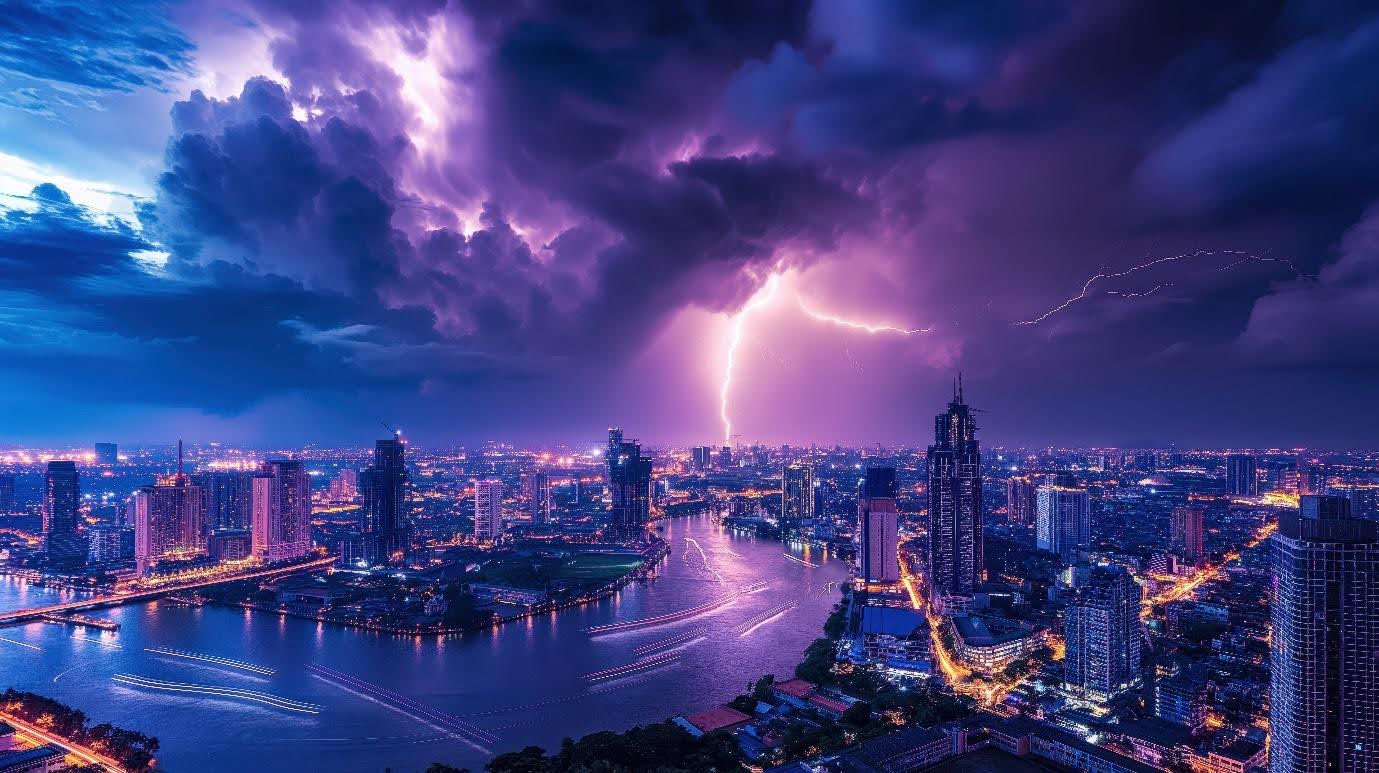
Singapore's skyline isn't just iconic - it's lightning-prone. Located near the equator, our island nation experiences frequent thunderstorms and some of the highest lightning densities in the world. In this environment, lightning protection is not just good practice - it's required under Singapore's building regulations and national standards.
In this blog, we explain why every building in Singapore needs a lightning protection system, and what the law and standards say about it.
Singapore's Lightning Risk Is Real
Singapore's tropical climate results in intense thunderstorms year-round. Lightning strikes can deliver millions of volts of energy and cause structural damage, electrical surges, and safety hazards to people and property if they are not properly managed.
What Singapore Regulations Say
Under the Building Control Regulations' Fifth Schedule (Clause L on Lightning Protection), all buildings must:
- Be designed to protect the structure and occupants from the effects of lightning strikes, and
- Prevent lightning current from being discharged through the building in a way that could cause harm.
Acceptable Solution: SS 555 Compliance
To meet this requirement, the Building and Construction Authority (BCA) states that a building's lightning protection system must:
- Be designed and installed in accordance with SS 555 - Singapore's Code of Practice for Protection Against Lightning; and
- Provide a minimum of Class III protection under SS 555.
What SS 555 Covers
The SS 555 series of standards defines how lightning protection should be approached in Singapore. It's based on internationally recognised IEC lightning standards but tailored to local conditions:
SS 555 - Protection Against Lightning Series
- Part 1: General Principles - basic concepts and objectives of protection design.
- Part 2: Risk Management - procedures to assess the level of protection a structure needs.
- Part 3: Physical Damage & Life Hazard - design, installation, inspection and maintenance of lightning protection systems to safeguard structures and occupants.
- Part 4: Electrical & Electronic Systems - guidelines to protect internal systems from lightning-induced surges.
Collectively, these parts ensure that:
- The building's structure is protected,
- Its electrical and electronic systems are safeguarded, and
- People inside are kept safe from direct lightning effects.
Why This Matters in Singapore
1. Lightning Is Frequent
Unlike temperate regions where strikes are seasonal, Singapore's tropical weather brings almost year-round thunderstorms - greatly increasing risk.
2. Dense Urban Environment
High-rise developments, antennas, cranes and rooftop installations make Singapore's buildings more vulnerable to strikes and side flashes.
3. Sensitive Infrastructure Inside Buildings
Modern buildings are full of computers, network equipment, HVAC systems and other electronics that are extremely sensitive to electrical surges.
What a Lightning Protection System Includes
An SS 555-compliant system typically consists of:
- Air Terminals (Lightning Rods) - intercept strikes at the highest point
- Down Conductors - safely channel strike energy to earth
- Earth Termination System - spread energy safely into the ground
- Equipotential Bonding - keeps all conductive parts at the same electrical potential
- Surge Protection Devices (SPDs) - protect electrical and electronic systems inside
Together, these elements form a complete lightning protection system that minimises risk to people, hardware and structures.
What Happens if You Don't Comply
Without compliance to SS 555 and the Building Control Regulations:
You cannot obtain your Temporary Occupation Permit (TOP) or Certificate of Statutory Completion (CSC)
In short - compliance isn't just best practice, it's a regulatory requirement.
Final Thoughts
For developers, building owners, and engineers in Singapore, understanding and implementing SS 555 is a key step in design, construction and maintenance of lightning protection system - and an essential part of safeguarding lives and assets.